This can be painful, but it can also cause other problems. If the battery that was ingested is a button or disc battery, there are additional risks.

So my dog tried to eat a battery today. He was so crazy at
Symptoms of battery ingestion include abdominal pain, irritability, fever, vomiting, dark or bloody stools (poop), and retching.

Signs a dog ate a battery. Get the pawfect insurance plan for your pup. Vet bills can sneak up on you. Remember to wash the paws as well, since dogs usually hold something that they are chewing in place with their paws.
What happens if a dog eats a battery? So, your dog chewed on a battery. With any type of battery ingestion, seek veterinary attention immediately.
All types of batteries can be troublesome, but some are more troublesome than others. Since batteries have metal casings, they are relatively easy to spot on radiographs, which will help your veterinarian come up with an accurate diagnosis. Button batteries are found in many electronic devices including hearing aids, games, watches, calculators, and greeting cards.
These batteries contain either potassium hydroxide or sodium hydroxide, and when either of these compounds come into contact with skin, it can cause a form of tissue damage called tissue necrosis. That’s because the more time that passes, the more corrosive burning occurs in the tissue. Lithium batteries can cause significant tissue damage in as little as 15 to 30 minutes after being consumed.
After your dog has eaten a battery, ulcers will not appear in his or her mouth for several hours. Dogs are at risk for alkali poisoning from many household products, such as alkaline batteries, some cleaners, and pool chemicals. Watch batteries are dangerous for dogs.
However, this does not mean that ulcers are not forming in the stomach or throat! There are several heavy metals that are used in batteries that can be toxic to your pet First of all, get your dog to a vet.
What do i do if my dog swallows or chews a battery? Batteries are toxic to pets clinical signs are agitation, aggression, vomiting, diarrhea, drooling, tremors, & respiratory or cardiovascular depression. The presence of black powdered material may be seen in the mouth, and occurs when dry cell batteries are punctured.
Don't let them eat or drink. What’s corrosive going down the esophagus is corrosive coming back. Drooling or refusal to eat.
Just because your dog does not have ulcers in his or her mouth doesn’t mean they haven’t eaten a. The dog will generally drool heavily and may vomit. The pet poison helpline suggests that common signs to look out for when a dog eats a battery include:
Sometimes, as obvious as it sounds, dogs that eat batteries are suffering mineral deficiencies. Battery acid can be ingested when your dog eats or chews on a battery, but it’s highly unlikely to happen when battery acid is present in large quanties. Battery ingestion usually occurs in children 5 years of age and under and the elderly.
Any damage to the stomach and intestines will be very painful and make your dog very poorly within 24 hours. Even if you are not sure if your dog swallowed a battery, the signs listed below are still concerning and warrant a trip to your veterinarian. Also, the risks your dog may encounter may be multiple.
With any type of battery ingestion, immediate veterinary attention is imperative. If your pup has punctured or swallowed a battery, you may see: These can be extremely dangerous for a dog because if swallowed, these batteries can become stuck on the lining of the esophagus.
If your dog ate a battery, you are right to be concerned. Ivana shares the dangers of batteries in dogs and what to do if your dog ate a battery. Once there, a veterinarian will examine your dog for any clinical signs of battery ingestions, like visible lesions or abdominal pain.
In the unlikely event that your dog chews through the casing of a car battery, the acid could cause severe burns to the mouth and eyes; Take the battery packaging or product with you. Small quantities, though, can be ingested fairly easily if your dog decides to chew up an electronic gadget, toy or other device that contains batteries.
A thorough oral exam and physical exam should be performed. The burns are not as deeply penetrating as the ulcers caused by an alkaline material; Oral ulcerations may not be present for hours.
Dogs who have not swallowed the battery but did chew it extensively are more at risk. Signs your dog has eaten or chewed a battery. The most common household batteries that are ingested by dogs are either button/disc batteries or alkaline dry cell batteries (d, c, aa, aaa, and 9v).
Simple changes in diet, like adding more meat (especially the liver most dogs love) and offering fewer grains, address this issue. If the digestive tract is damaged to the. Batteries can cause bowel obstructions, electrical, and chemical burns to the gut, as well as heavy metal poisoning.
Next, your veterinarian may take radiographs. Watch batteries are usually the type that have a disc, or rounded, shape. He may be quiet or may whimper or cry due to pain.
Affected animals often show mild to moderate leukocytosis. Observe your dog for signs of drooling or pawing at the mouth or indications of general pain or discomfort. If the battery is swallowed and a burn has occurred in the esophagus or stomach, or if there is an obstruction, your pet may develop vomiting, diarrhea, abdominal pain (signs will include a hunched back or an inability to lay down and get comfortable) or refusal to eat.
Key point—you should not induce vomiting if your dog ingested a battery!
The heartbeat rises even higher. Do not take this as a list for any other animals!!!

Cardiogenic Shock in Dogs
They note that you can also have difficulty breathing, releasing stridor.
Signs a dog went into shock. 1) recognize the symptoms of shock in dogs. These dilate the blood vessels and cause them to leak fluid, causing swelling of the airways and leading to a triple whammy of shock. Anaphylactic shock is the systemic form of a type 1 hypersensitivity reaction.
Allergic reactions will usually occur within the first 30 minutes. It is important you follow the veterinarian’s aftercare instructions to prevent relapse of the condition that put your cat into shock. The most common reason is fear, which can be caused by loud noises, sudden movement, the presence of predators, being submerged in water, or injury.
If your cat becomes injured, there is a high probability that he will go into shock. The symptoms of anaphylactic shock in dogs include: If your dog is displaying the following signs immediately after the accident, they most likely are in shock and require immediate medical care:
If a dog has gastrointestinal bleeding, it may be unable to circulate blood volume, which is another way shock can occur. Shock is the involuntary physical reaction to internal or external trauma. Get the pawfect insurance plan for your pup.
As this process continues, it’s critical to realize that your dog can quickly go into shock. Breathing becomes shallow and fast; Rabbits in shock will also have very cold ears because their body temperature is plummeting.
He will also have behavioral changes and may be weak and lethargic. Overwhelming infection causing septic shock or toxic shock; Vet bills can sneak up on you.
While recovery of sepsis depends largely on the severity of the condition and the underlying issues that led to sepsis, conditions in which the pet goes into septic shock have a guarded prognosis. Excitement may also lead to a diabetic shock. Shock can be caused by a trauma, poisoning, or other medicalcondition.
When your dog goes into shock, it means that his circulation is greatly reduced. They may also drool, appear lethargic or weak and develop hives. Below you will find all the signs and symptoms of a cat in shock so you can be ready to act should you be faced with a.
Exposure to anticoagulant substances, recurring illnesses and hazardous materials may also bring on shock. These reactions can be fatal, so it’s essential to act quickly. Know the signs, the triggers for your dog and how to respond.
As your dog's shock progresses, the following issues may occur: Signs of shock in rabbits: Symptoms of anaphylaxis in dogs include trouble breathing, vomiting, urination and trouble controlling their bowels.
The heart rate will be slow and difficult to detect and the rabbit will have pale white gums as a result of circulatory problems. Rabbits may go into shock for a variety of reasons. Cleo's symptoms disappeared fairly quickly as her level of glycemia rose.
Dog owners should know the signs of bloat in dogs, how serious this condition is, and what they can do about it. Small dogs can go into shock quickly from fluid loss (due to vomiting and diarrhea) or low blood sugar. Signs of anaphylactic shock in dogs most dogs with mild to moderate anaphylaxis will experience signs based on their exposure.
If you see any of the following, call your vet immediately: Signs and symptoms of shock. Also known as anaphylaxis, it is an overreaction of the dog's immune system to an allergen and is thought to even have a hereditary or familial reason for occurring.
The vet will monitor white blood cell count, blood sugar level, red blood cell count, liver enzymes, kidney values, and clotting. If your rabbit begins to show any of these signs, it is probably in shock: Weakness, convulsions, and collapsing ;
His untimely death was caused by added stress of the drive and then of the vet. It is imperative that you consult a veterinarian immediately if your cat goes into shock. If your dog is in shock, use the following tips to.
Blood and fluid loss can be caused by extensive vomiting, diarrhea, severe external burns and injury. A dog in shock will display symptoms such as panting, decreased heart rate and blood pressure, hypothermia, slow capillary refill, and abnormally colored gums. Here are some of the signs of shock in dogs:
In this acute case, the whole body will be affected almost immediately or within an hour. It is only for rabbits, no matter how similar situations may seem.) * extremely rapid breath * extremely rapid heart beat Signs of shock in rabbits.
Once your dog progresses further into shock, you will notice these symptoms develop. This deprives your dog's brain of oxygen and can be fatal if not treated. For dogs with food allergies, they can develop skin and ear infections as well as vomiting and diarrhea.
If the dog skips a meal, this will result in an immediate drop in the blood sugar; When a rabbit goes into shock, their body will become still or limp. Severe fluid loss from vomiting or diarrhea;
Regardless of the cause, it is vitally important to recognize the signs of shock and seek immediate veterinary care. A dog experiencing anaphylactic shock can also have difficulty breathing. Dog owners should know the signs of bloat in dogs, how serious this condition is, and what they can do about it.
The most important thing to do is to watch your dog closely for any signs or symptoms of anaphylactic shock. Major assault on the nervous system such as a spinal or brain injury. In response to exposure to an allergen, an exaggerated immune response occurs leading to the release.
Symptoms of internal bleeding in dogs progressing to shock include increased heart rate, low blood pressure, low body temperature, cold legs and a poor pulse.
An intestinal obstruction happens when a dog has a complete or partial blockage of the intestines. In the case of partial obstruction, the dog can survive for several weeks if.
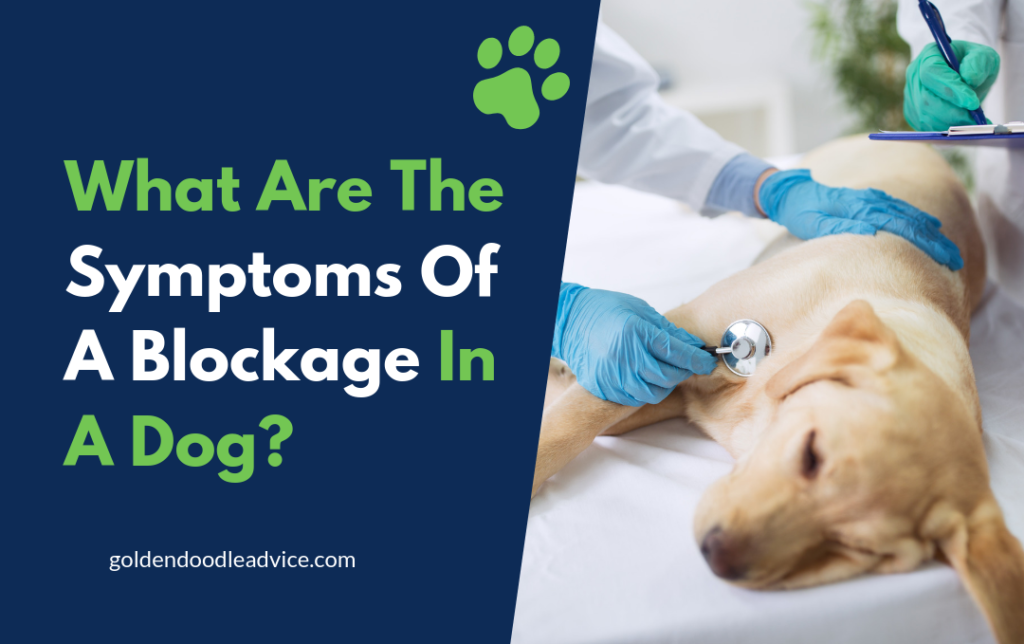
Dog Intestinal Blockage What Are The Symptoms
The symptoms of intestinal blockage in pets usually include vomiting, however in some individuals the early signs of this problem may be limited to loss of appetite.
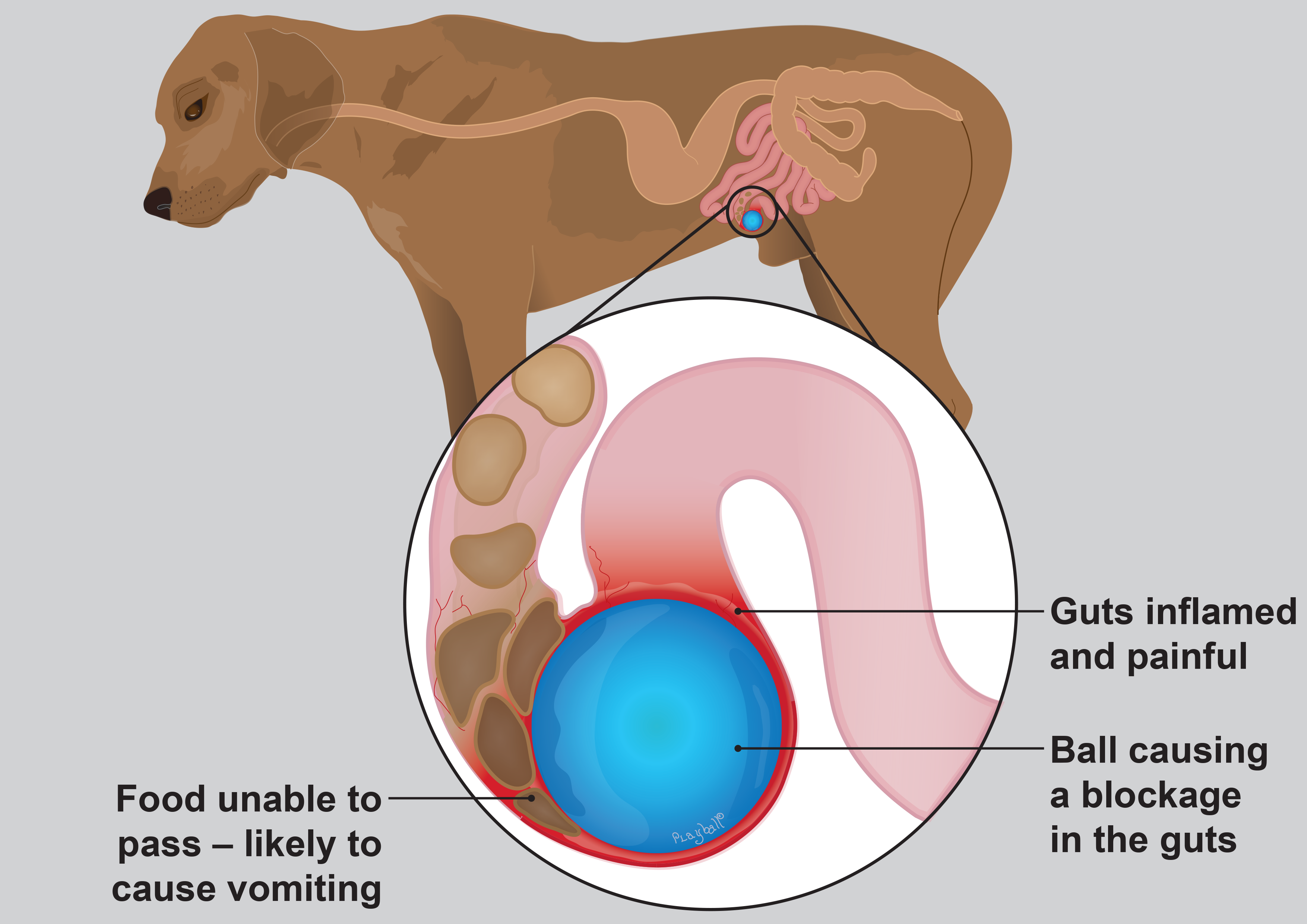
Signs of dog bowel blockage. Behavioral changes such as growling or biting when being picked up or having their abdomen touched are signs that your pet is in pain. One of the first symptoms of a gut blockage is often vomiting. Signs that your dog has a blockage in the small intestine include:
This makes detection and diagnosis a little more difficult. Dog intestinal blockage surgery is a major procedure, requiring your dog to be anesthetized. If your dog has a habit of gulping down items they shouldn't, like socks or toys, they could be at risk of an intestinal blockage.
Dogs vomit very easily, so you only need to get concerned if there’s repeated vomiting. In the absence or delay of assistance, the animal may even die. After the surgery, your dog will stay at the hospital and recover for several days.
As time passes, lethargy, vomiting, and occasionally diarrhea occur. Objects that usually cause intestinal blockage in the stomach are smooth round objects like golf balls and marbles. They often develop when a dog's stomach or intestines become partially or completely blocked.
These obstructions can lead to many complications, including keeping food and water from passing through your dog's gi tract, which will result in a decreased blood flow. Symptoms of an obstruction in the stomach tend to show up a few hours after the dog eats or ingests a foreign object like the balls i mentioned earlier. Signs of intestinal obstruction in dogs can include:
Because he is unable to keep food down or able to eliminate waste, his eating will decline. For the intestinal surgery, your vet will make an incision into your dog’s abdomen near the blockage site and carefully extract the object. They often develop when a dog's stomach or intestines become partially or completely blocked.
A dog with intestinal blockage or bowel obstruction could die within 3 to 4 days if it is not quickly attended to. Symptoms of an intestinal blockage in dogs. After the surgery, your dog will stay at the hospital and recover for several days.
Acute vomiting is a common sign, but other signs include: If your dog is off her food it could be an early or ongoing warning sign. Obstructions can lead to various complications, including the prevention of food and water from passing through your dog's gi tract, decreasing their blood flow.
Partial obstruction allows the dog to pass some stool and gas but this will still eventually damage the intestines if not passed. Bowel obstruction is a serious disease in dogs. For the intestinal surgery, your vet will make an incision into your dog’s abdomen near the blockage site and carefully extract the object.
Any time dogs show signs of an intestinal blockage they should see a vet to play it safe. A bowel obstruction, also known as a gastrointestinal blockage, is a common canine problem. Shivering can be seen at times just because of stomach discomfort due to eating something unusual and is not necessarily a sign of a blockage.
The main signs of bowel obstruction in dogs are consistent with gastrointestinal upset. Today, our bonita springs vets discuss the symptoms and treatment, including emergency surgery, for intestinal blockages in dogs. If the obstruction is before the intestine, he may not be able to keep.
You may notice him pawing his stomach or whining. Dogs are naturally curious, and many have a desire to eat or chew almost anything. Obstructions can lead to various complications, including the prevention of food and water from passing through your dog's gi tract, decreasing their blood flow.
Dog intestinal blockage surgery is a major procedure, requiring your dog to be anesthetized. How do you know if your dog has a blockage? Foreign bodies lead to a blockage in the digestive tract, so most symptoms will reflect that directly.
Partial obstruction allows the dog to pass some stool and gas but this will still eventually damage the intestines if not passed. Initial signs include loss of appetite, generalized weakness, abdominal pain, and vomiting. With an intestinal blockage, your dog will feel sick.
Symptoms of intestinal obstruction in dogs. Signs of blood or mucus may be evident in stool. It is important to know the symptoms of intestinal obstruction.
These are some classic signs of intestinal blockage in dogs. Gas builds up and distends the belly, causing pain, and the dog goes into the praying position where he’s on his elbows in front and standing in the back. Unless you have seen your dog swallow a foreign object, symptoms of dog intestinal blockage are usually dismissed as an upset stomach.
Also called intestinal blockages, bowel obstructions often happen when a dog's intestines or stomach become partially or completely blocked. The blockage impairs digestion and intestinal motility, preventing the dog from passing food and waste through the gi tract. Some of the most common signs of an intestinal blockage in dogs include:
Causes of intestinal obstruction in dogs Signs of the disease may be mild and resemble in most cases a simple poisoning. Intestinal blockages can have multiple causes, but the symptoms of obstruction are typically the same.
Vomiting (especially repeatedly) and not eating is particularly concerning and so is not having bowel movements. Intestinal obstruction in dogs has very generalized symptoms at the initial stages of the condition. Having a gut blockage is a very serious and painful condition that can kill.
Especially if she’s normally a good eater!